
Pipe Insulation Collections


Lagging
Pipe Insulation
Pipe insulation, often called pipe lagging, helps control heat loss, heat gain, condensation risk, frost exposure and surface temperature across domestic, commercial and industrial pipework.
At Insulation & More, we supply a wide range of pipe insulation materials, cladding, valve jackets, trace heating products and accessories for contractors, facilities teams, M&E buyers and trade customers.
What Is Pipe Lagging?
Pipe lagging is insulation fitted around pipework to help control heat transfer, condensation risk, frost exposure and surface temperature.In simple terms, pipe insulation creates a barrier between the pipe and the surrounding environment. On hot-water and heating pipework, it helps reduce heat loss. On cold-water and chilled-water pipework, it can help reduce heat gain and support condensation control where the correct material and sealing method are used.
The best pipe insulation material depends on the service temperature, pipe size, location, exposure, fire requirements, available space, vapour-control requirements and whether the pipework needs external protection.
Need Help Choosing Pipe Insulation?
Send us your pipe sizes, service temperature, insulation thickness requirement, project specification or drawings. Our team can help you identify a suitable product route and the accessories needed to complete the installation.
Main Differences Between Pipe Insulation Materials
Different pipe insulation materials are designed for different applications. Some are best suited to heating and hot-water pipework, some are useful where space is tight, and some are selected for condensation control, high-temperature use or specialist industrial conditions.
| Material | Typical use | Key reason to choose it |
|---|---|---|
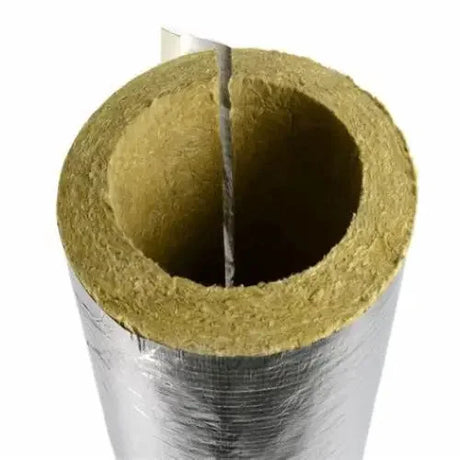
| Mineral Wool / Stone Wool | Heating, hot water, HVAC and commercial mechanical pipework | Robust thermal insulation route for many building services and industrial projects. |
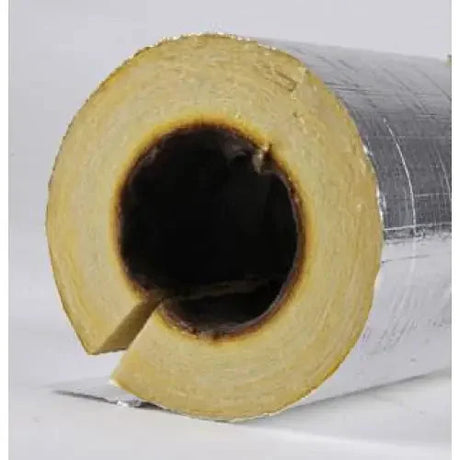
| Fibreglass Pipe Insulation | Internal heating, hot-water and HVAC pipework | Practical foil-faced pipe lagging for commercial and mechanical services. |
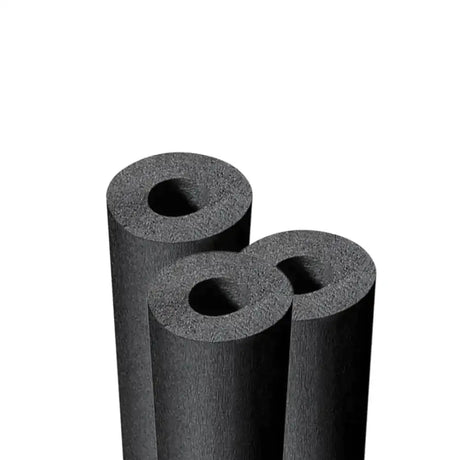
| Rubber Pipe Insulation | Cold-water, chilled-water, HVAC and condensation-control applications | Closed-cell elastomeric insulation where vapour resistance and joint sealing matter. |
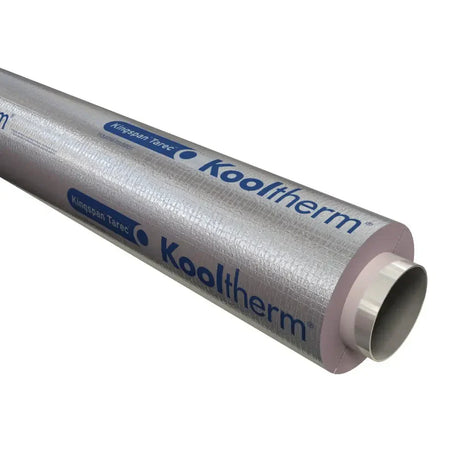
| Phenolic Foam | Specification-led pipework where space or thermal performance is important | High-performance rigid foam insulation often used where available space is limited. |
| Calcium Silicate | High-temperature industrial pipework | Specialist insulation route for demanding high-temperature applications. |
| FOAMGLAS® Cellular Glass | Specialist industrial, below-ambient or process applications | Closed-cell cellular glass insulation for project-specific industrial requirements. |
Pipe Insulation Materials Available
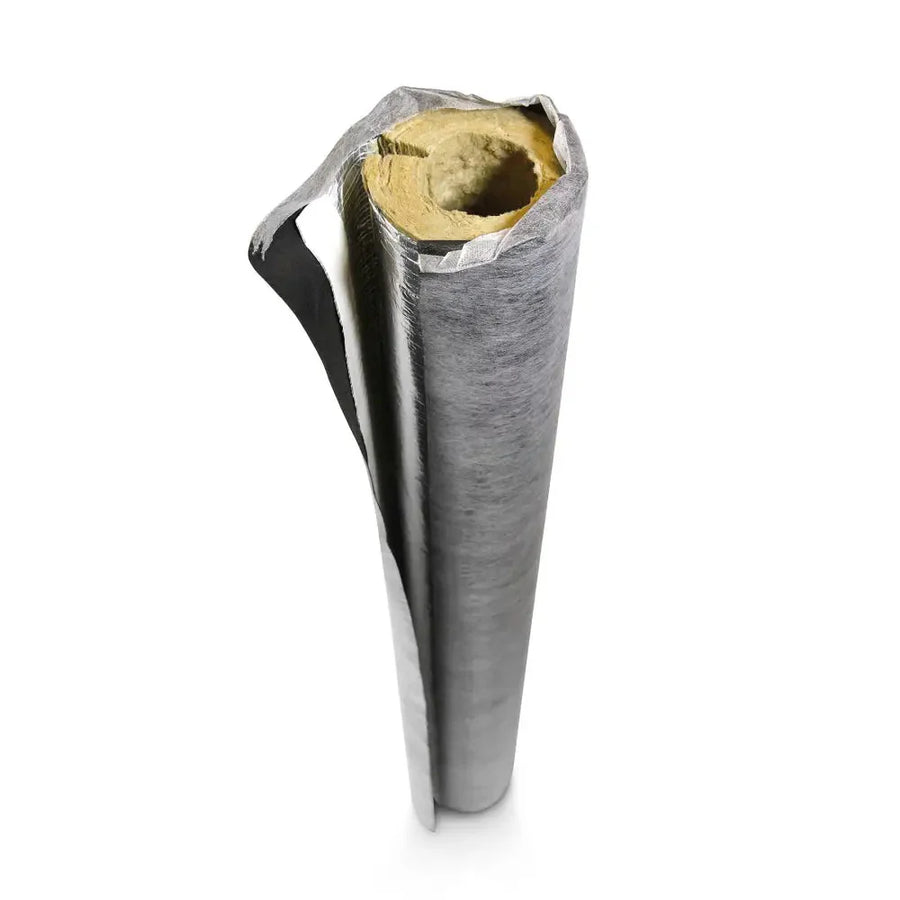
Mineral Wool / Stone Wool Pipe Insulation
Mineral wool and stone wool pipe sections are commonly used across heating, hot-water, HVAC, mechanical and industrial pipework. They are a strong starting point for many commercial pipe lagging specifications.
View Mineral Wool Pipe Insulation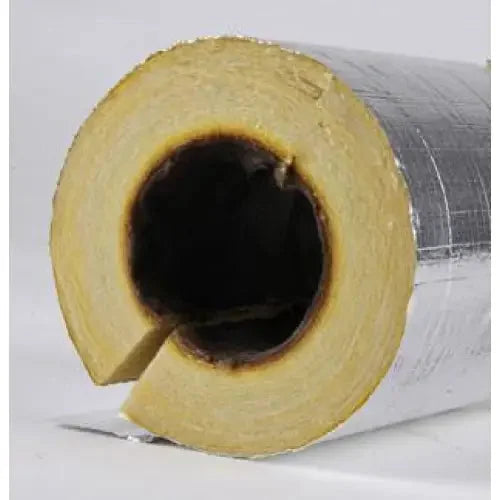
Fibreglass Pipe Insulation
Fibreglass pipe insulation is used for heating, hot-water and mechanical services where a practical foil-faced pipe lagging product is required. It is often selected for internal commercial and building-services applications.
View Fibreglass Pipe Insulation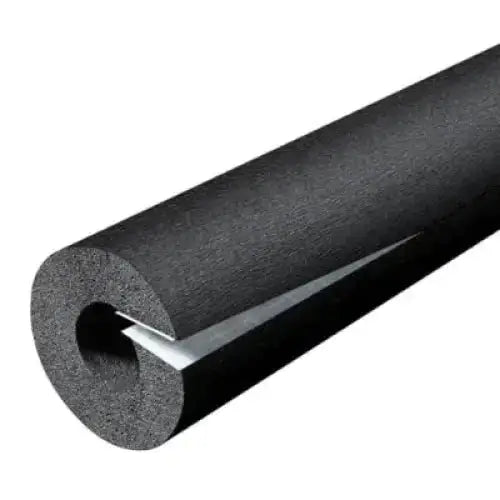
Rubber Pipe Insulation
Rubber pipe insulation, including closed-cell elastomeric products, is often used where condensation control, vapour resistance and neat installation are important. It is commonly used on cold-water, chilled-water, HVAC and mechanical services.
View Rubber Pipe Insulation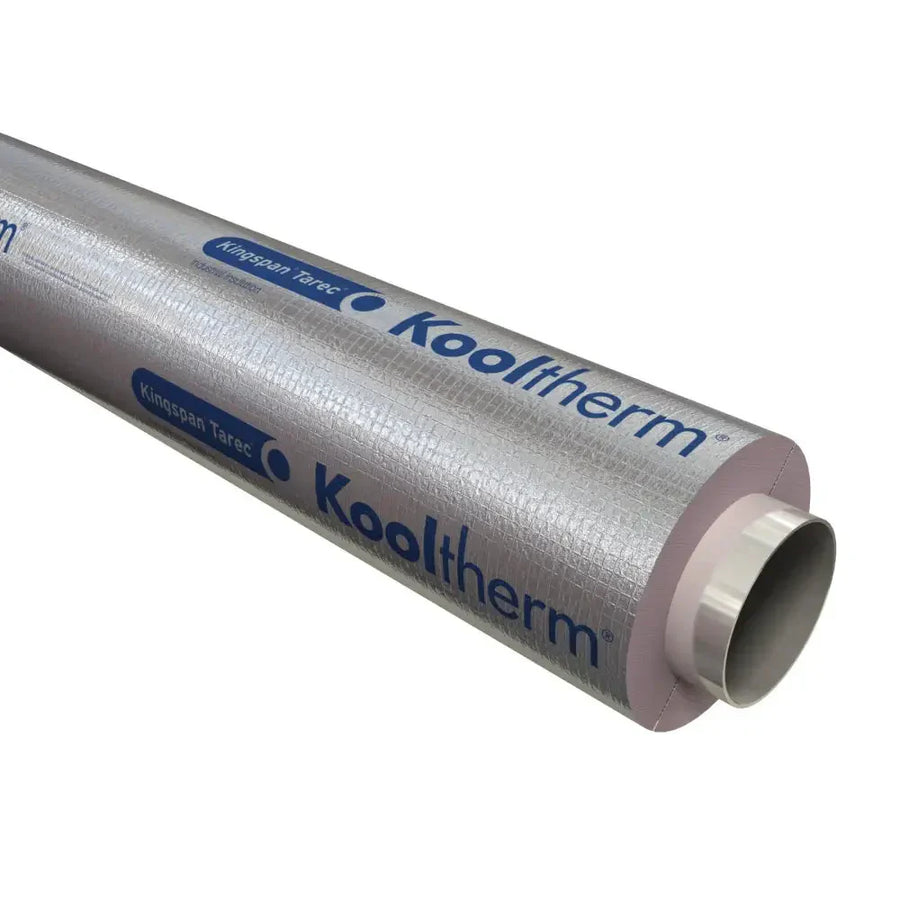
Phenolic Foam Pipe Insulation
Phenolic pipe insulation is often used where project specifications require a high-performance rigid insulation material or where available space is limited. It is a useful route for commercial pipework, risers and specification-led applications.
View Phenolic Pipe Insulation
Calcium Silicate Insulation
Calcium silicate insulation is a specialist insulation route for high-temperature industrial pipework and equipment. It is typically selected where service conditions require a more specialised product than standard building-services pipe insulation.
View Calcium Silicate InsulationFOAMGLAS® Cellular Glass Insulation
FOAMGLAS® cellular glass insulation is used for specialist industrial and process applications where the project specification calls for cellular glass insulation. Suitability depends on the service, environment and design requirements.
View FOAMGLAS® Cellular Glass InsulationDon’t Forget the Full Pipe Insulation System
The pipe insulation material is only one part of the installation. Many projects also need tapes, adhesives, pipe supports, valve jackets, insulation cladding, trace heating, labels or specialist fittings.
If pipework is external, exposed, in a plant room, at risk of freezing or includes valves and flanges, the complete insulation system should be reviewed before ordering.
Related Pipe Insulation Collections
These collections support pipe lagging projects where the insulation needs protection, finishing, frost protection or additional installation accessories.
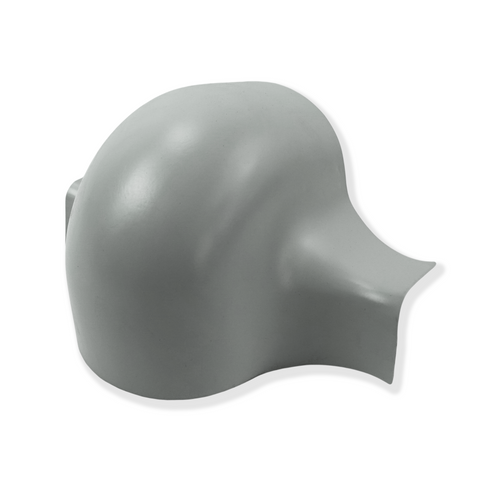
Cladding & Covering
Aluminium, Aluzinc, PIB, Isogenopak and protective insulation finishes.
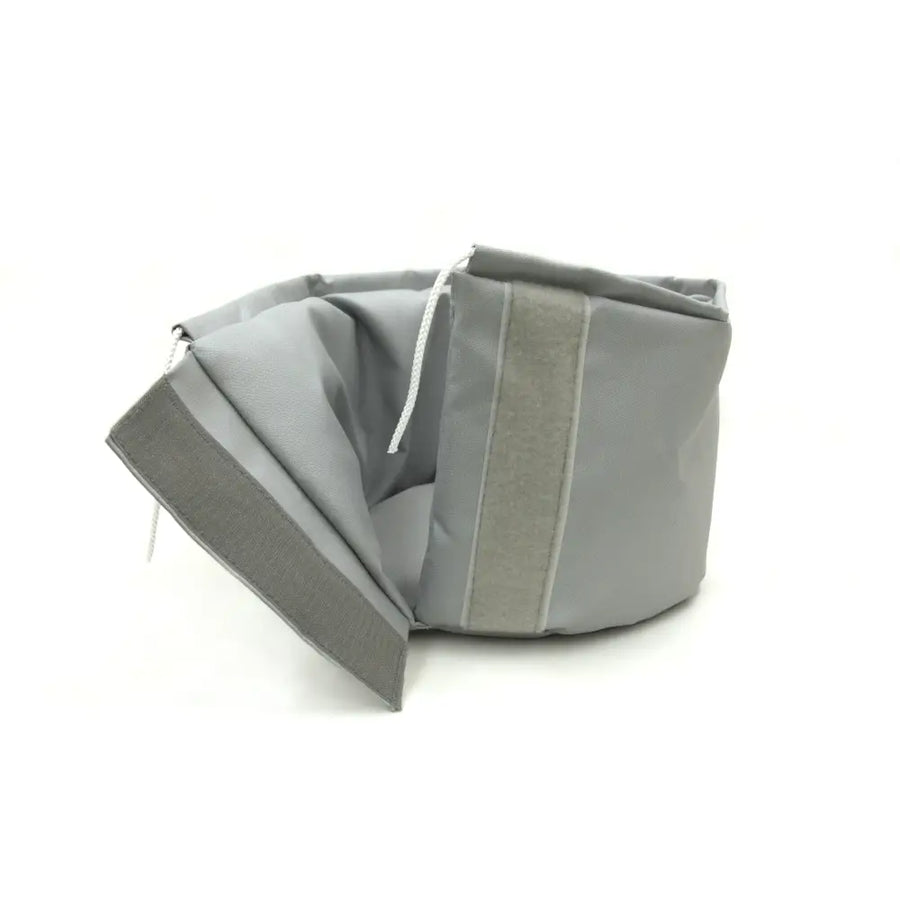
Thermal Jackets
Internal, external and specialist jackets for valves, flanges and fittings.
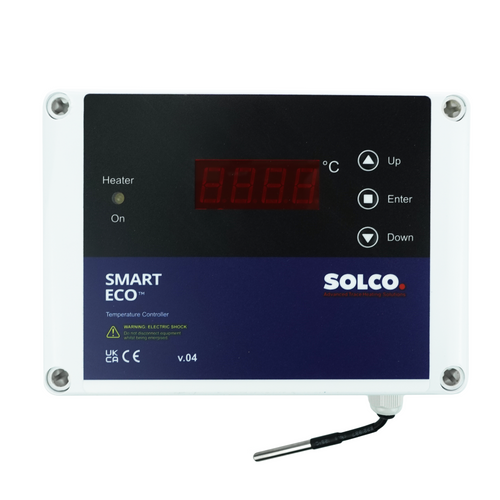
Trace Heating
Cables, controllers, thermostats, fixings and accessories.
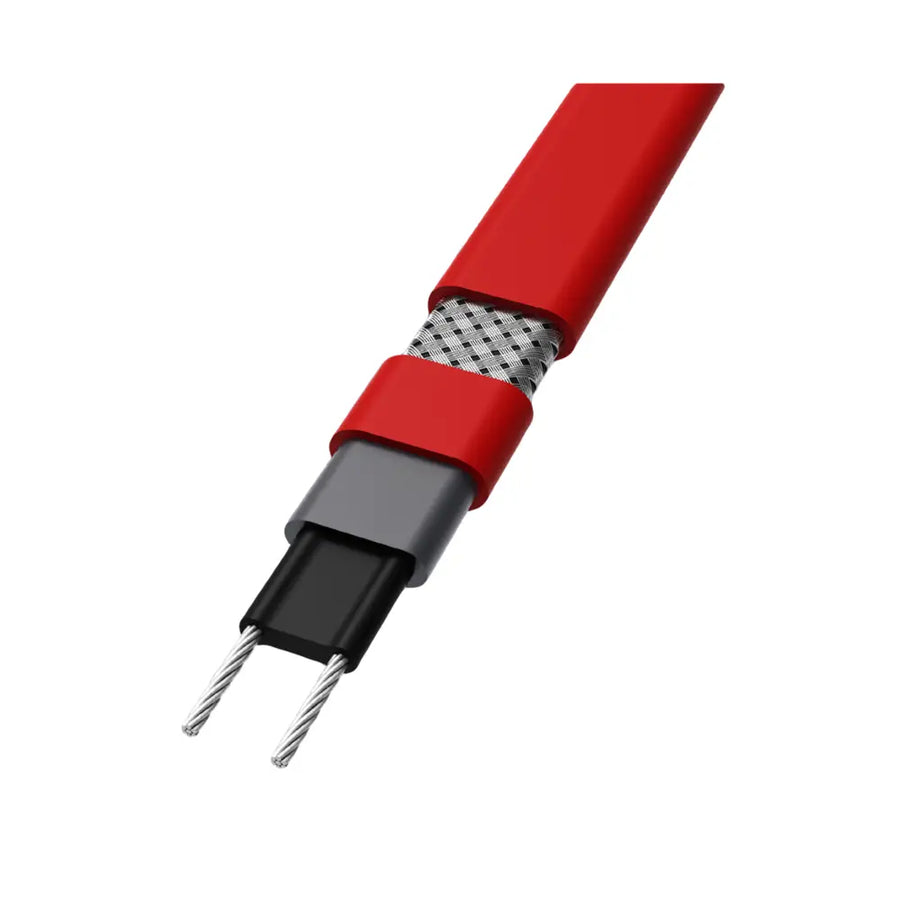
Frost Protection
Insulation, cladding and heat tracing routes for exposed pipework.
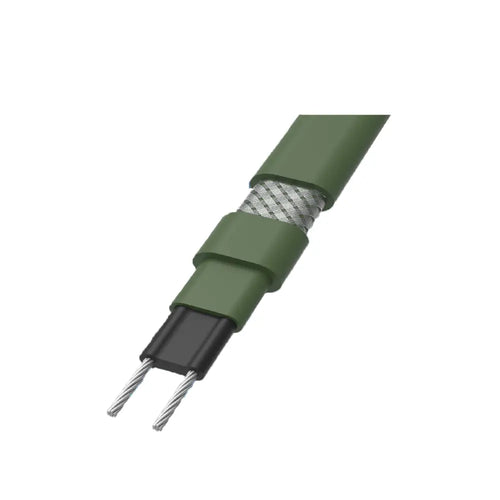
Sprinkler Systems
Trace heating and control products for fire sprinkler pipework.
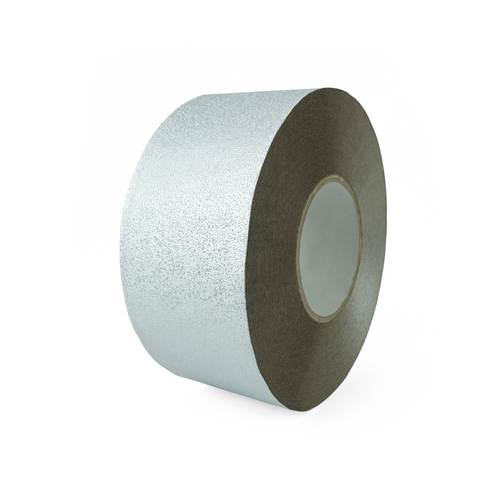
Accessories
Tapes, adhesives, fixings, labels, supports and finishing products.
All Pipe Insulation
Browse every pipe insulation route from Insulation & More.
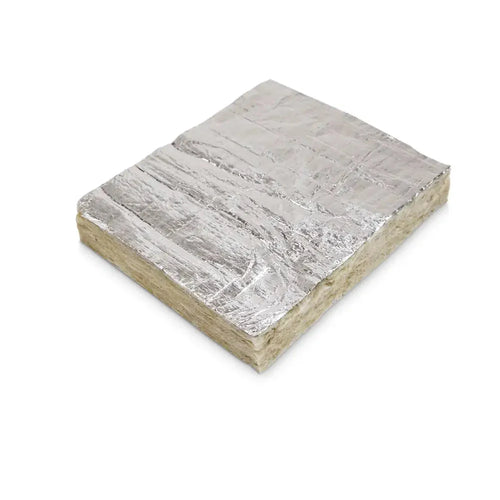
Duct Insulation
Duct wrap, slabs and insulation products for HVAC systems.
Lagging & Trace Heating Training
Insulation & More also supports contractors and installers with lagging and trace heating training. This is useful for teams working with pipe insulation, frost protection, trace heating cables, controllers, fixing accessories and labelled installation requirements.
Training can help site teams understand the basics of insulation selection, installation quality, trace heating principles and the importance of the complete system around the pipework.
View Training InformationTrade Accounts for Contractors & Larger Buyers
We work with contractors, M&E companies, facilities teams, commercial buyers and larger businesses that need reliable supply of insulation products.
- Trade account support for repeat buyers
- Project supply across pipe, duct, cladding and trace heating ranges
- Support with product selection and availability
- Manufactured and specialist insulation products available
- Commercial insulation supply from Insulation & More and Hill Grwp Ltd
Choosing the Right Pipe Insulation
Before placing an order, check the pipe size, pipe outside diameter, service temperature, required insulation thickness, application area and whether the pipework is internal, external, exposed or in a plant room.
For commercial and industrial projects, it is also worth checking whether valve jackets, cladding, adhesives, tapes, labels, fixings or trace heating products are required. Ordering these items together can help avoid delays on site.
Pipe Insulation FAQs
What is the best pipe insulation material?
There is no single best material for every pipe. The right choice depends on pipe size, service temperature, location, space, condensation risk, fire requirements, exposure and project specification.
What is pipe lagging used for?
Pipe lagging is used to reduce heat loss, control heat gain, help manage condensation risk, support frost protection and protect people from hot surface temperatures, depending on the application.
Which pipe insulation is best for cold-water pipes?
Cold-water and chilled-water pipework often needs insulation with condensation-control performance. Closed-cell rubber pipe insulation is commonly used where vapour resistance and sealed joints are important.
Do external pipes need cladding?
External or exposed pipe insulation may need cladding to help protect it from weather, moisture, UV exposure or mechanical damage. The right cladding depends on the site and project specification.
Do valves and flanges need insulation?
Valves and flanges should be considered as part of the full pipe insulation system. Thermal jackets can help reduce exposed heat-loss points while keeping access available for inspection and maintenance.
Contact Insulation & More
Need help choosing pipe insulation, cladding, thermal jackets, trace heating or accessories for your project?
Send us your pipe sizes, service temperature, insulation thickness requirement, location and project specification. Our team can help you identify suitable product routes.
Phone: 01792 209987
Email: info@insulation-more.co.uk
Address: Unit 4, Westfield Industrial Park, Waunarlwydd, Swansea, SA5 4SF, United Kingdom