
Why Cold-Water Pipes Sweat in a Hot Loft – and How Pipe Insulation Stops Condensation
If you have recently upgraded your UK property’s loft insulation to the commonly recommended depth of around 270mm for mineral wool, you probably did it to reduce winter heat loss, lower energy use and improve the overall thermal performance of the building.
But during warmer weather, another issue can appear above the ceiling.
Cold-water pipes running through a hot loft may begin to develop surface condensation. Water droplets can form along the pipework and, in more severe cases, drip onto loft insulation, timber joists or stored items below.
This is often described as pipes “sweating”, but it is not caused by a leaking pipe. It is a condensation problem created by the relationship between pipe temperature, air temperature and humidity.
Here is why it happens, the damage it may cause and how properly specified pipe insulation can help control it.
Recommended Products
For condensation-control applications, the insulation material, thickness and joint sealing all matter. These products are a useful starting point for the pipework issues covered in this guide.
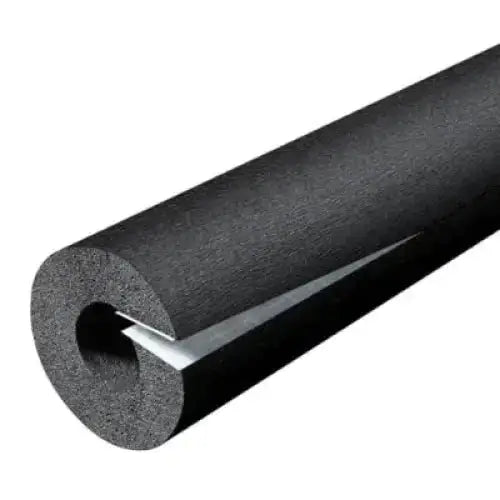
Kaiflex ST Tube
Closed-cell pipe insulation for cold-water, HVAC and mechanical pipework.
View Product
Kaiflex 414 Adhesive
Adhesive for bonding compatible insulation joints, seams and fittings.
View Product
Product suitability depends on pipe size, service temperature, loft conditions and installation quality. For condensation-control applications, joints, fittings and terminations must be properly sealed.
Why Do Cold-Water Pipes Sweat in a Loft?
Condensation forms when warm, moisture-containing air comes into contact with a surface that is colder than the air’s dew point.
The dew point is the temperature at which the moisture within the air begins to condense into liquid water.
During sunny summer weather, roof tiles and roofing materials absorb solar heat. This can cause the temperature inside a roof space to rise significantly above the outdoor air temperature, particularly where the loft has limited ventilation or receives prolonged direct sunlight.
Even when the outdoor temperature is only in the low-to-mid twenties, a sun-exposed roof space may become substantially hotter, with internal loft temperatures sometimes exceeding 40°C.
At the same time, cold-water pipes may be carrying water at a significantly lower temperature. The exact temperature varies according to the season, location, water source and how long the water has remained inside the pipework.
When the external surface temperature of the pipe falls below the dew point of the surrounding loft air, condensation begins to form.
The greater the difference between the pipe temperature and the dew point, the greater the potential for condensation.
Under sufficiently humid conditions, the moisture can build up until it begins to drip onto the materials below.
Does Loft Insulation Cause Pipe Condensation?
Loft insulation does not create moisture, and it does not directly cause pipes to sweat.
Insulation installed at ceiling level reduces heat transfer between the loft and the occupied rooms below. This helps keep heat inside the property during winter and can also reduce the amount of solar heat passing down from the loft during summer.
However, the roof space itself can still become extremely warm.
The risk of condensation on cold pipework is influenced by several factors:
- The surface temperature of the pipe
- The temperature of the surrounding loft air
- The amount of moisture in the air
- Loft ventilation
- Air movement around the pipework
- The duration and frequency of cold-water flow
- The location of the pipe within the roof space
- The insulation material and thickness applied to the pipe
A warm loft alone does not guarantee condensation. The pipe surface must also be colder than the dew point of the surrounding air.
Why Pipe Condensation Should Not Be Ignored
A small amount of occasional condensation may appear harmless, but repeated or prolonged wetting can damage surrounding materials.
Wet Loft Insulation
Fibrous insulation materials, including mineral wool, achieve much of their thermal performance by trapping still air within their structure.
If loft insulation becomes persistently wet, compressed or contaminated, its thermal performance may deteriorate. The extent of the reduction depends on the insulation material, the amount of moisture present and how long the material remains damp.
Wet insulation may also take time to dry, particularly where it is located beneath pipework or in a poorly ventilated section of the loft.
Damp Timber and Building Materials
Condensation dripping onto roof timbers, joists, boards or ceilings can create persistent localised dampness.
Where timber remains wet for an extended period, there is an increased risk of:
- Mould growth
- Fungal decay
- Staining
- Corrosion of metal fixings
- Damage to ceiling finishes
- Deterioration of stored items
- Reduced insulation performance
Condensation should therefore be treated as a building-maintenance issue rather than a minor cosmetic nuisance.
How Pipe Insulation Helps Prevent Condensation
Pipe insulation helps control condensation by increasing the temperature of the insulation’s outer surface.
Rather than warm, humid air coming into direct contact with a cold pipe, it comes into contact with the warmer external surface of the insulation.
If the insulation is correctly selected and installed, the outer surface should remain above the dew point of the surrounding air under the intended design conditions.
However, insulation thickness is only part of the solution.
For cold-water pipework, the insulation system must also restrict water vapour from reaching the cold pipe surface.
This means joints, fittings, valves, elbows, tees, supports and terminations must all be properly treated.
A gap in the insulation or an unsealed joint can allow humid air to reach the pipe. Condensation may then form underneath the insulation, where it remains hidden from view.
Using BS 5422:2023 for Condensation-Control Specifications
BS 5422:2023 provides recognised guidance for determining insulation thicknesses for pipework, ductwork, vessels and equipment.
It includes guidance for cold and chilled-water services where insulation is required to control surface condensation.
The correct insulation thickness cannot be determined using pipe diameter alone. It depends on several project-specific factors, including:
- Pipe outside diameter
- Water or service temperature
- Expected ambient temperature
- Relative humidity
- Insulation thermal conductivity
- Surface emissivity
- Pipe location
- Ventilation and air movement
- The type of external finish or covering
BS 5422 thickness tables and calculation methods are based on defined environmental conditions. A thickness suitable for one installation may not provide adequate condensation control in another.
For this reason, pipe insulation should be selected against the actual or expected operating conditions of the building.
Why Closed-Cell Nitrile Rubber Is Commonly Used
Closed-cell elastomeric insulation, including nitrile rubber pipe insulation, is commonly specified for cold-water and chilled-water applications.
Its closed-cell structure provides thermal resistance while helping to restrict water-vapour transmission through the insulation material.
It is also flexible, making it suitable for:
- Straight pipe runs
- Elbows and bends
- Tees
- Valves
- Irregular pipework
- Confined installation areas
However, the insulation material alone does not guarantee condensation control.
The completed system depends on the continuity of the vapour-control layer. All joints, seams, fittings and terminations must be properly sealed using compatible adhesives, tapes or accessories recommended by the insulation manufacturer.
Even a high-performance insulation product can allow concealed condensation to form if it is incorrectly installed.
Can Standard Split Foam Stop Pipes Sweating?
Basic split foam pipe insulation may be suitable for some lower-risk domestic applications, but it should not automatically be treated as adequate for every loft environment.
Its performance depends on:
- Wall thickness
- Thermal conductivity
- Water-vapour resistance
- Joint construction
- Installation quality
- Pipe temperature
- Loft temperature and humidity
Thin insulation with open or poorly sealed joints may reduce the amount of visible condensation without eliminating the underlying risk.
For more demanding environments, a properly specified closed-cell insulation system with sealed joints may provide a more dependable solution.
Do Plastic Pipes Sweat Less Than Copper Pipes?
Plastic pipe has a lower thermal conductivity than copper or steel, so the external surface may behave differently under the same operating conditions.
However, bare plastic pipe can still develop surface condensation.
If the pipe surface remains below the dew point of the surrounding air, moisture can form regardless of whether the pipe is made from plastic, copper or steel.
Pipe material alone should therefore not be treated as reliable condensation protection.
Is Condensation Control the Same as Frost Protection?
No.
Frost protection and condensation control are related but different insulation objectives.
Frost protection is intended to delay heat loss from the water inside the pipe and reduce the risk of freezing during cold conditions.
Condensation control is intended to keep the external surface temperature of the insulation above the surrounding air’s dew point while also restricting humid air from reaching the pipe.
An insulation thickness selected only for frost protection may not necessarily provide adequate condensation control during hot and humid conditions.
The installation may need to be assessed against both risks.
Signs That Loft Pipework May Need Attention
Check cold-water pipes in the loft if you notice:
- Water droplets on the pipe surface
- Damp or dark patches beneath pipe runs
- Wet loft insulation
- Staining on timber or ceiling boards
- Corrosion on metal pipework or fittings
- Mould growth near the pipe route
- Damaged or missing pipe insulation
- Open joints in existing insulation
- Condensation forming underneath insulation
Before assuming the issue is condensation, rule out leaking joints, roof leaks, overflowing tanks and other sources of moisture.
How to Reduce the Risk of Pipe Condensation
A reliable condensation-control installation should consider the complete pipe system.
Recommended measures include:
- Select the insulation thickness against the expected service and environmental conditions.
- Use an insulation material suitable for cold-water or chilled-water applications.
- Seal all longitudinal and butt joints.
- Fully insulate elbows, tees, valves and fittings.
- Avoid compressing the insulation at supports and clips.
- Seal all terminations and penetrations.
- Repair damaged insulation promptly.
- Keep the insulation system continuous wherever possible.
- Check loft ventilation separately from the pipe-insulation design.
- Follow the insulation manufacturer’s installation instructions.
Where the conditions are uncertain or the pipework serves a critical system, obtain advice from a qualified insulation installer, mechanical designer or system manufacturer.
Recommended Products for Loft Pipe Condensation
If cold-water pipes are sweating in a warm loft, the right insulation system should include suitable closed-cell pipe insulation and properly sealed joints. These products are a good starting point for the applications discussed in this guide.
19mm Black Selfseal Tangential Cut Kaiflex ST Tube
Flexible closed-cell elastomeric pipe insulation for cold-water, HVAC and mechanical pipework where condensation control and neat installation are important.
View Product
Kaiflex Adhesive/Glue 414 Can
Adhesive for compatible Kaiflex insulation systems, useful where insulation joints and seams need to be bonded as part of a continuous vapour-control installation.
View Product
Ultra-Clad Tape
Multi-layer vapour-seal tape for insulation seams, small repairs and finishing details where moisture protection and clean joint sealing are required.
View ProductProduct suitability depends on pipe size, service temperature, loft conditions and installation quality. For condensation-control applications, joints, fittings and terminations must be properly sealed.
Frequently Asked Questions
Why do cold-water pipes sweat more during summer?
Warm summer air can contain more moisture than colder air. If that air comes into contact with a pipe surface below its dew point, the moisture condenses into liquid water.
The risk is influenced by both temperature and humidity. Hot but very dry air may create less condensation than cooler air with a higher moisture content.
Will thicker loft insulation make pipe sweating worse?
Loft insulation does not directly create pipe condensation.
It reduces heat transfer between the roof space and the rooms below, while the temperature in the loft remains dependent on solar exposure, ventilation and roof construction.
Cold pipes within a warm, humid loft may still require their own insulation system.
Can I tape over the joints in existing pipe insulation?
Compatible vapour-seal tape may help improve an existing installation, but it will not correct insulation that is too thin, damaged, wet or unsuitable for the service conditions.
The jointing product should also be compatible with the insulation manufacturer’s system.
Can wet loft insulation be left to dry?
A small amount of temporary moisture may dry if ventilation and conditions are suitable.
However, insulation that is saturated, compressed, contaminated or repeatedly wetted may need to be replaced. The moisture source should be corrected before new insulation is installed.
Does BS 5422:2023 state one standard thickness for cold-water pipes?
No.
The required thickness depends on the pipe size, water temperature, environmental conditions and thermal properties of the selected insulation.
BS 5422 provides tables and calculation methods for defined conditions rather than one universal thickness for every cold-water installation.
Technical and Project Disclosure
Every building, loft ventilation arrangement and pipework layout is different.
The correct insulation material, thickness and vapour-control system will depend on the actual pipe size, service temperature, ambient temperature, humidity and installation conditions.
The information in this article is provided for general educational purposes and reflects common industry principles. It does not replace a project-specific condensation calculation, mechanical design, legal assessment or professional installation recommendation.
Building owners, contractors and installers should refer to the relevant standards, building requirements and insulation manufacturers’ current product data before selecting or installing a system.
Protect Your Property with the Lagging Experts
Do not allow condensation from cold-water pipework to damage loft insulation, timber or surrounding building materials.
At Insulation & More, we supply trade-grade closed-cell nitrile rubber pipe insulation, vapour-seal tapes, adhesives and technical lagging products suitable for a wide range of domestic, commercial and industrial applications.
Our products are available in different bore sizes and insulation thicknesses, allowing them to form part of pipe-insulation specifications designed around BS 5422:2023 guidance and manufacturers’ technical data.
Whether you are insulating domestic cold-water pipework or specifying insulation for commercial mechanical or fire-sprinkler services, our technical sales team can help you identify the appropriate product size and thickness for your project.
Free UK Shipping
Receive free standard delivery on qualifying orders over £250 excluding VAT.
Next-Working-Day Delivery
Next-working-day delivery is available on many stocked products when ordered before the applicable cut-off time. Stock availability, delivery location and product exclusions apply.
Trade and Volume Accounts
Regular trade customers and volume buyers can contact our team to discuss trade pricing, corporate accounts and project-specific requirements.
Contact Insulation & More
Need help choosing the right pipe insulation thickness, bore size or sealing method? Our team can help you identify suitable products for your project.
Phone: 01792 209987
Email: info@insulation-more.co.uk
Address: Unit 4, Westfield Industrial Park, Waunarlwydd, Swansea, SA5 4SF, United Kingdom
Find More at Insulation & More
Explore more insulation, cladding, trace heating and accessory ranges for domestic, commercial and industrial applications.
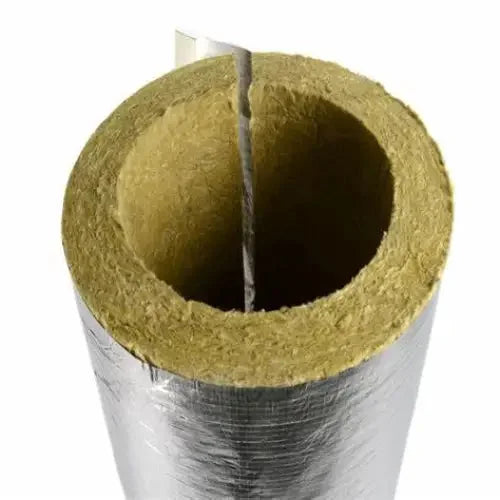
Pipe Insulation
Pipe lagging for heating, cold-water, HVAC and mechanical services.
View Collection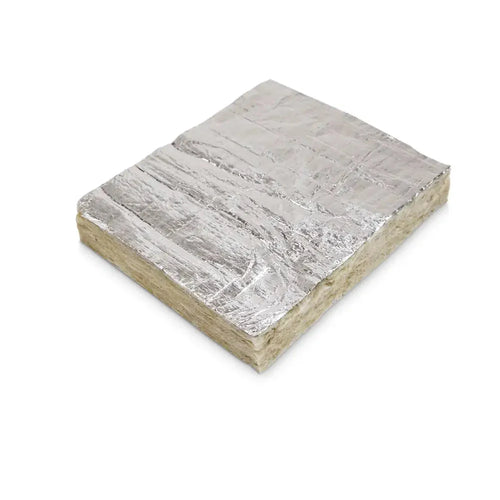
Duct Insulation
Duct wrap, slabs and insulation products for HVAC and ventilation work.
View Collection
Cladding & Covering
Isogenopak, aluminium, PIB and protective insulation coverings.
View Collection
Trace Heating
Heating cables, thermostats, controllers, labels and fixing accessories.
View Collection
Frost Protection
Insulation, cladding and trace heating products for exposed services.
View Collection
Sprinkler Systems
Trace heating and control products for fire sprinkler pipework.
View Collection
Foam Insulation
Professional spray foam kits, nozzles and application accessories.
View Collection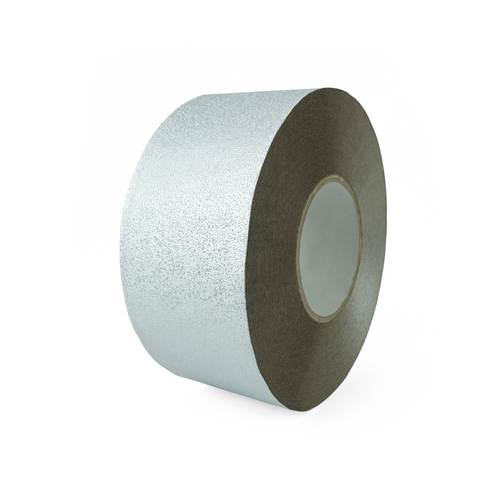
Accessories
Tapes, adhesives, fixings, labels and installation support products.
View Collection